
Governments are finally building a panel to measure the wealth gap. That’s welcome. But the force closing it was never going to come from experts alone.
For years, the people organising against extreme inequality have made a simple argument that the world’s institutions preferred not to hear: the gap between the very rich and everyone else is not an accident, not a law of nature, and not something we have to accept. It is a choice, made by people with the power to choose differently. For a long time that was a fringe position. It isn’t any more.
You can see the shift in the news that South Africa is pushing to create an International Panel on Inequality, like an IPCC for the wealth gap, to pull the evidence together in one authoritative place and put it in front of governments. Joseph Stiglitz backs it. More than 500 economists have signed on. This is a good thing, and we welcome it. When the establishment builds an institution to take your issue seriously, it means the argument is being won. The people who got this far deserve credit.
But I want to be honest about where the real momentum is coming from, because it matters for what happens next. The panel is a sign of progress. It is not the engine of it. The engine is the movement that dragged inequality up the agenda in the first place, and that movement is where the story of actual change has been written.
Look at what the IPCC has actually done so far. For thirty years it has produced the best climate science anyone had ever assembled. It won a Nobel Prize. It leaves no room for honest denial. And for a long time, governments read it and carried on much as before. The science mattered enormously. But it moved politics fastest when people forced it to: kids walking out of school on Fridays for the Future, communities blocking fossil fuel projects like the Keystone XL Oil Pipeline. The movement was decisive. Change came when the two worked together, and not a moment before.
Inequality is in the same place now, and the evidence is not the thing we are short of. We already know the shape of it. The richest 1 percent took 41 percent of all the new wealth created between 2000 and 2024. Around 2.3 billion people, nearly one in four of us, now skip meals because they can’t afford to eat. South Africa, which is carrying this panel forward, is the most unequal country the World Bank has ever recorded. A panel will sharpen that picture, and sharper is better. But nobody skipping meals is waiting for a footnote. What they are waiting for is action, and action comes from pressure.
Here is the encouraging part. That pressure is already working. When Brazil used its G20 presidency to put a global tax on billionaires on the table, it did not come from nowhere. Movements, campaigners and economists had pushed the idea for years, and the Fight Inequality Alliance was part of that. The economist Gabriel Zucman drew up a plan: a 2 percent minimum tax on the world’s roughly 3,000 billionaires, enough to raise around $250 billion a year. In November 2024, for the first time, G20 leaders agreed to cooperate on taxing the ultra-rich. An idea dismissed as impossible a few years earlier was suddenly the position of the world’s largest economies.
That is what movements do. They shift the line of what is politically thinkable, and they do it faster than any institution.
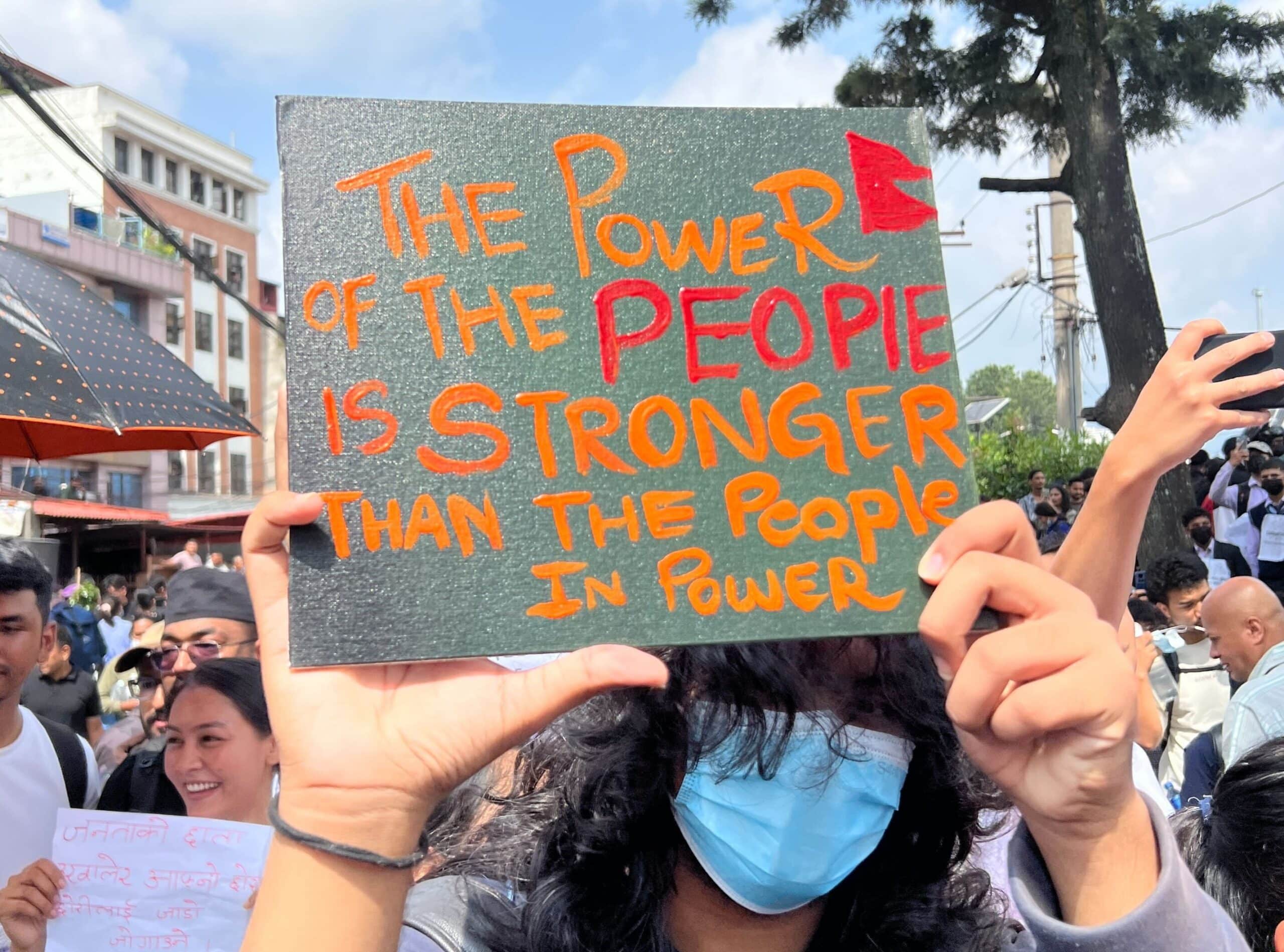
This is why the movement matters, and why its role in this next chapter should be front and centre. We are the ones knocking on the doors, running the campaigns, and keeping the pressure on long after the summit is over and the experts have gone home. We have been doing it without a panel, and we have moved things many said could not be moved. Give that movement the authoritative evidence a body like this can provide, and you do not only get a better report. You get a sharper weapon in the hands of the people already fighting.
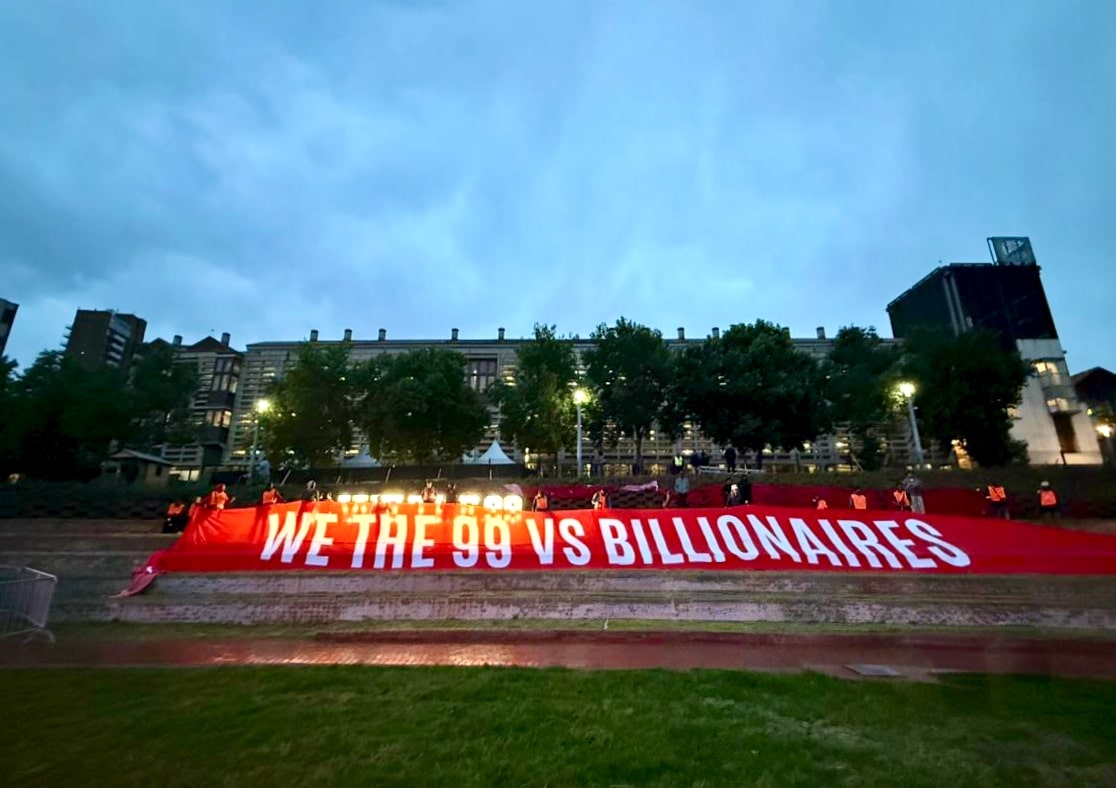
The tax has not been won yet. The United States and Germany refused to back a binding version, and it was watered down to a promise to cooperate. But notice why. It did not stall for lack of evidence. Zucman had done the numbers and nobody serious disputed them. It stalled because the people who would pay still had the power to slow it down. That is the real contest, and it is not a contest of data. It is a contest of power, and power is shifted by organised people, not by publications.
I say all this as someone who spends more time with campaigners than with economists, and I will be honest about our own side too. Movements do not win every time. We are sometimes better at naming a problem than at holding the ground we take. But the lesson of the last decade is not that we need fewer people in the fight and more in the seminar room. It is the opposite. The evidence has been overwhelming for years. What has changed the weather is people refusing to accept it.
So build this panel well, and build it close to the movement that made it necessary. Let it answer the questions people are actually fighting over. Get its evidence into the hands of the people doing the pushing. Check does it speak to the inequalities and the solutions people are talking about and demanding change for? Treat the organisers and the communities living this every day as partners in the work, not an audience for the findings. Do that, and this panel becomes part of something genuinely powerful.
Because the gap will not be closed in a seminar room. It never has been. It will be closed the way every advance against entrenched power has been won, by people organising, demanding, and refusing to be told that the way things are is the way they have to stay. The evidence is on our side. It has been for a long time. Now comes the part that actually changes lives.
Por Jenny Ricks General Secretary, Fight Inequality Alliance
22 September 2026
Originally published at inequality.org