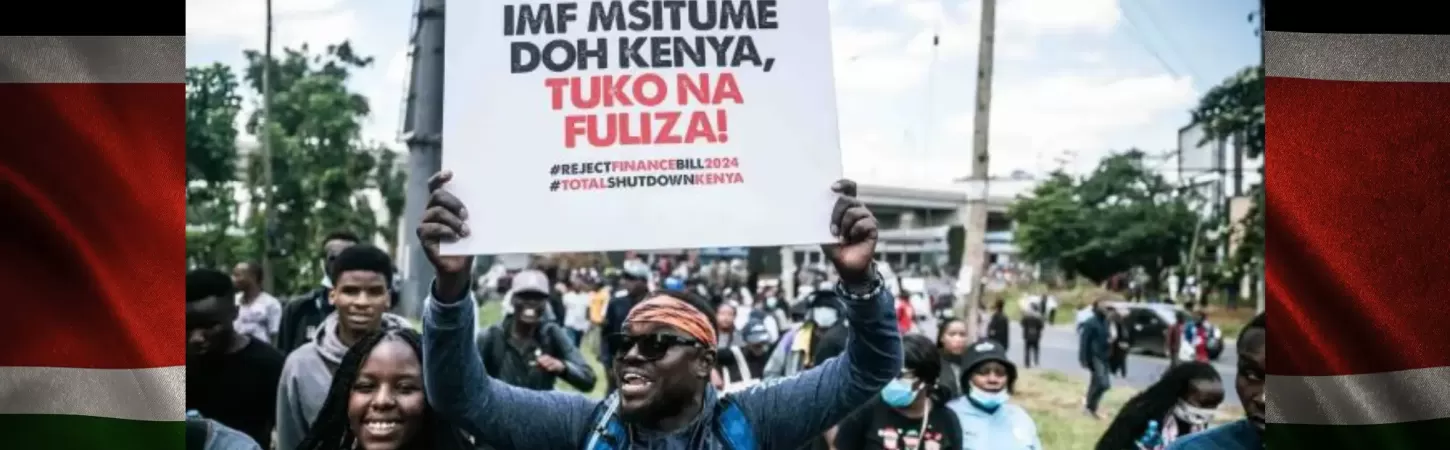
Kenya does not need another IMF loan. It needs a government that sides with the 99%
3 March 2026
NAIROBI — Fight Inequality Alliance says the Government of Kenya must walk away from any new International Monetary Fund (IMF) loan programme with regressive conditions that will further exacerbate inequalities and poverty among its citizens.
The IMF team, in Nairobi since 24 February 2026, is negotiating a new loan programme with the government following the expiry of the $3.6 billion facility last year. The talks come amid growing public anger over tax hikes, rising costs of living, and cuts to essential services
Brenda Osoro, National Coordinator for Fight Inequality Alliance Kenya, says austerity measures in the immediate past IMF programme have left citizens and the country in a far worse economic situation than before.
“We have been here before and we know the IMF loan conditions will always force Kenyans to pay more taxes to service them”, says Osoro. “This coupled with cutting public sector wages and jobs, reduced social spending on healthcare and education, eliminating fuel, agriculture and electricity subsidies and privatizing state-owned enterprises will deepen poverty, widen inequality, and shift the burden of economic mismanagement onto ordinary families while protecting billionaires and multinational corporations.”
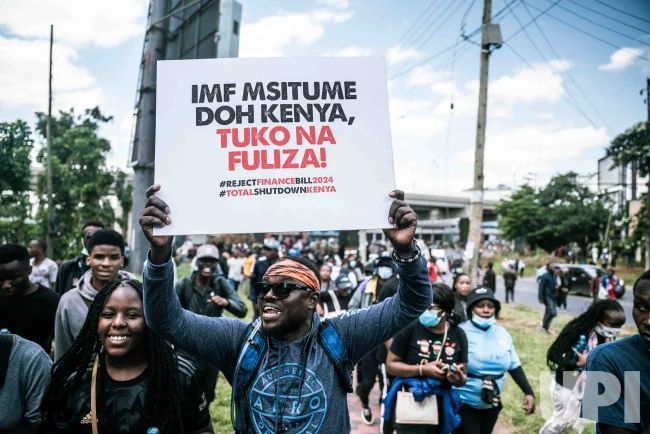
Kenyans are already paying the price. While Kenya’s national budget has nearly doubled over the past decade, public services have been squeezed to near failure as a disproportionate share — far exceeding what is allocated to health, education, and social protection combined — is spent on debt repayment. This is dressed up as fiscal discipline but it is a simple choice by those in power.
Nairobi based Mercy Wanjiku says: “Our hospitals have no drugs and most of our schools are in a dilapidated state and are running without basic essentials while the country’s vulnerable citizens are not protected, Meanwhile billions are channeled into debt repayments. This is unacceptable.”
Fight Inequality Alliance Kenya says borrowing within the context set by the IMF has repeatedly failed to deliver shared prosperity and will only intensify the current crisis. A people-centred alternative can be achieved, but it requires political will to build an economy that works for the 99% and not the top 1%.
Kenya must focus on its human capital, natural resources, entrepreneurial opportunities, develop local value chains, and generate sustainable domestic revenues including taxing the super rich and multinationals. That means prioritising job creation, investing in public services, and ensuring the wealthiest carry their fair share of the tax burden.
"The country has resources to take care of its people. However, it is the global rigged economic system presided over by multilaterals like the IMF that is denying people economic freedom. Another IMF loan with the same conditions is not going to change people’s lives. What will, is a government that will put the interests of the 99% first by refusing to dance to the tunes of the 1% orchestrated by the IMF”, says Osoro. “Kenya does not have a revenue problem. It has a political priorities problem.”
The 99% therefore call on the government to implement a comprehensive progressive wealth tax, shut down the loopholes that allow the wealthy to drain the country’s economy through corruption, and honour its broken commitments on public spending. The government must choose: side with the Kenyan people or side with Western creditors and billionaires.
MEDIA CONTACT:
Brenda Osoro | Fight Inequality Alliance Kenya | Email: brenda.osoro@fightinequality.org | www.fightinequality.org