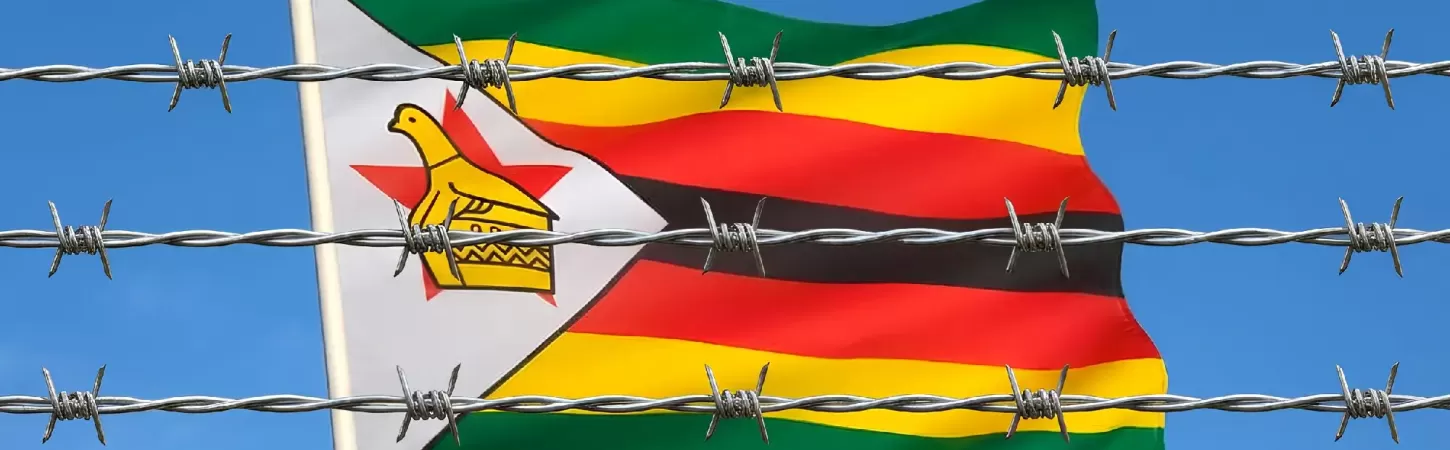
Zimbabwe is criminalizing survival. It’s time to recognise the informal sector
By Nqobizitha Mlambo
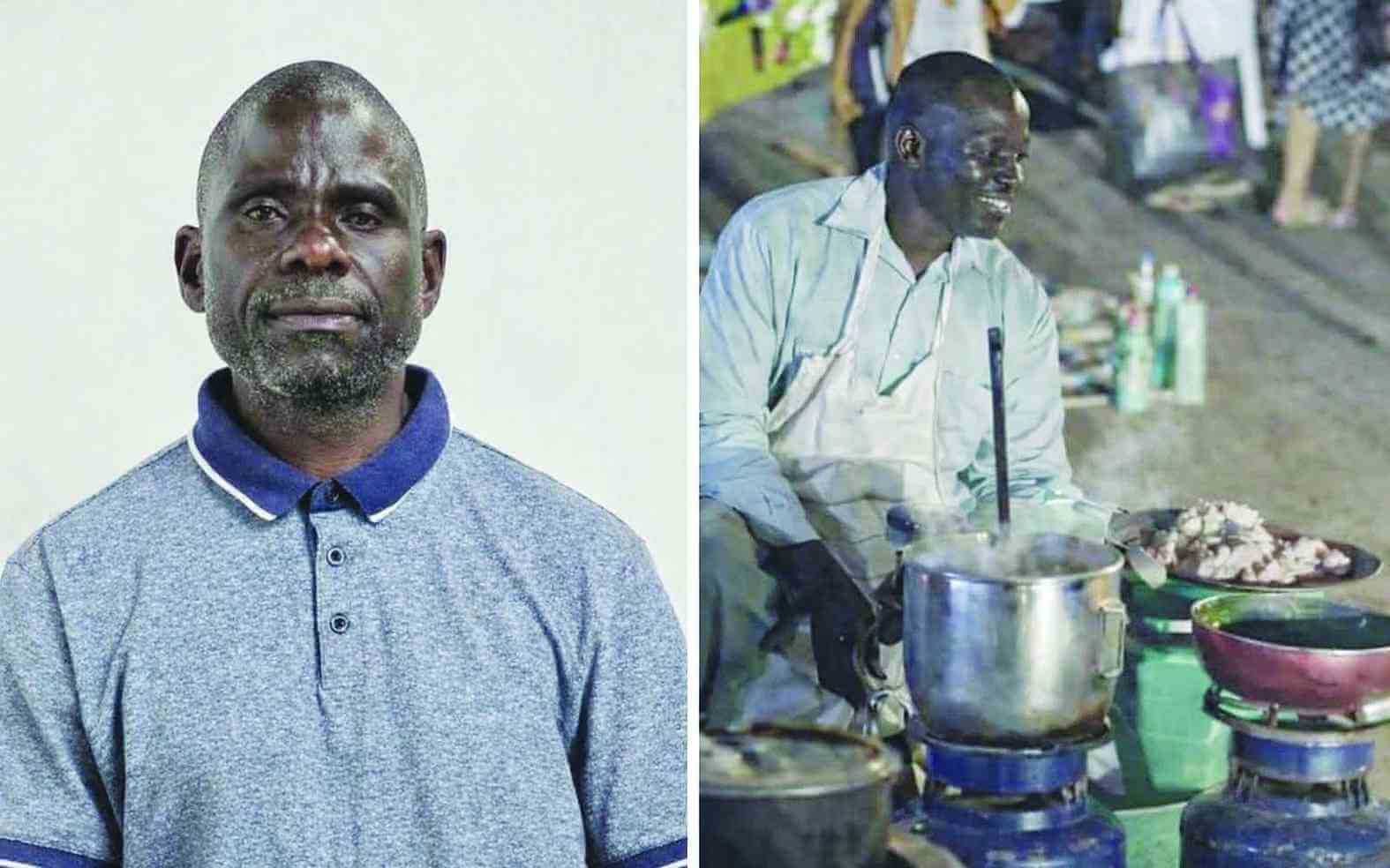
A qualified science teacher, Mr. Elias Chikwava, cooked sadza - our staple food - on the pavements of Harare – not because he wanted to, but because Zimbabwe’s economy gave him no choice.
Harare city officials detained him for doing this because it violates city bylaws.
When Mr. Chikwava’s video preparing meals went viral, people fixated on the spectacle, but the real story is what pushed the man out of the classroom onto the pavement in the first place.
Like many Zimbabwean teachers, his salary was inadequate to support his family and his epileptic son who requires regular medical care.
Healthcare in Zimbabwe is not fully funded by the government. Public hospitals are hollowed out, short of medicine, equipment, and staff. Families must pay out of pocket, even as workers pay tax in expectation of public services.
For Chikwawa, selling sadza on the streets was the only viable answer.
Something is deeply wrong when a trained science teacher must abandon the classroom to sell food on a pavement for survival instead of teaching and shaping the future of young Zimbabweans. It is a window into inequality and a rigged economy squeezing millions of Zimbabweans.
Decades of economic decline have gutted Zimbabwe's job market. As industries have suffered, millions of people have been pushed into the informal economy.
The Mayor of the City of Harare wants street vendors strictly regulated and, in some cases, banned outright. But for people being moved on, selling by the roadside is not a nuisance; it is how they put food on the table for their families, send children to school, and pay for healthcare.
Today, more than 80% of Zimbabweans rely on the informal economy for their livelihoods. Millions survive without stable wages, labour protections, or social security. The top 10% pocket more than half of all income. The bottom 50% share just 12%. This is a stark reflection of how deep inequality is in Zimbabwe.
But despite people trying so hard to make ends meet, the system often treats them as criminals.
City by-laws frequently lead to arrests, harassment, and confiscation of goods. These laws were created for an economy where formal employment was the norm — not for the reality Zimbabweans face today.
The result is a painful contradiction: the economy pushes people into informal work, but the law punishes them for trying to survive. There is a particular cruelty to this.
Chikwava’s story also highlights the growing crisis in public healthcare in Zimbabwe.
Public hospitals often face shortages of medicines, equipment, and staff. Many patients must pay out of pocket for treatment despite the country’s constitution guaranteeing quality healthcare for its citizens.
Zimbabweans continue to pay taxes including “sin taxes” earmarked for public healthcare, and still cannot access the services these taxes are supposed to fund.
Chikwava’s story therefore isn't just about one man cooking sadza on the streets of Harare. It is about a system in which workers are underpaid, public services are underfunded, and millions of people are pushed into informal work to survive.
Across Zimbabwe, ordinary people are carrying the weight of an unequal economy.
At Fight Inequality Alliance Zimbabwe, we believe this must change. The government must invest in public services that actually work, including healthcare and education. Workers such as teachers must earn decent wages that reflect the real cost of living. And informal workers must be recognised, protected, and supported – not criminalised.
Inequality is not an accident. It is the result of political and economic choices.
Different choices can build a Zimbabwe where teachers stay in classrooms, workers earn dignified wages, and no parent is criminalised for selling food to buy their child’s medicine.
A fairer Zimbabwe is possible if we build an economy that serves the majority and not just those at the top.