Mexico’s 99% shows a Red Card to FIFA, Billionaires, Corporations
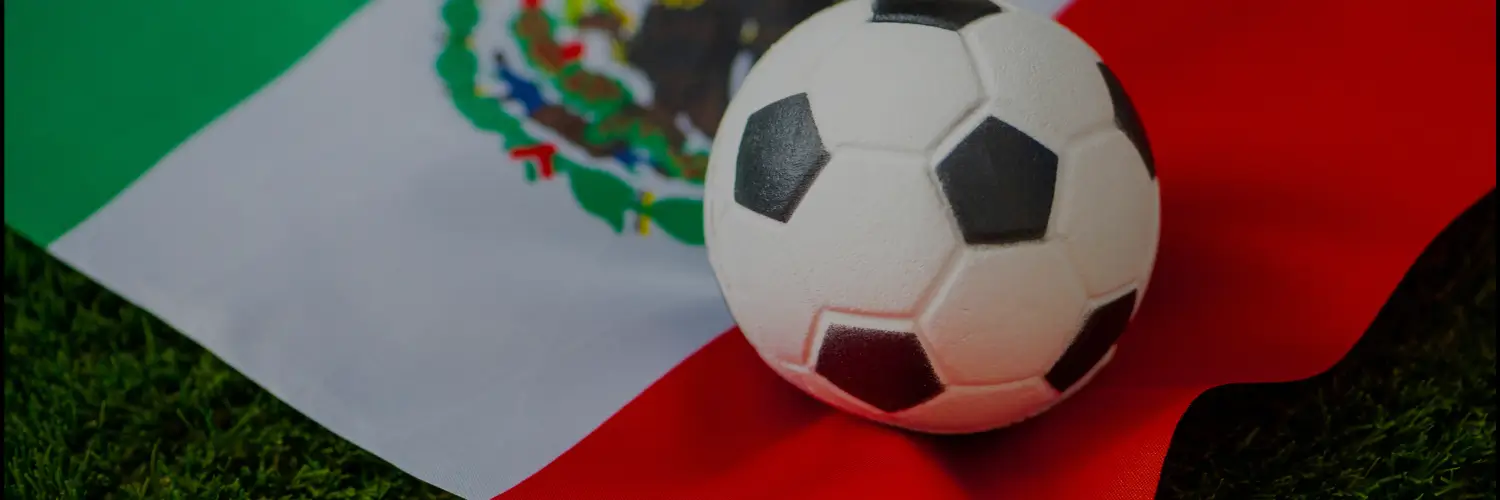
The World Cup came home. For weeks, Mexico stood at the center of the world, carried there by the most beautiful and passionate game on earth.
Millions of Mexicans took to the streets, filled public squares, improvised screens, and celebrated with strangers as if we had known each other all our lives. Isn’t that, in the end, the dream of any community? To meet without explanations, to share emotion with someone who wears different colors, lives in another neighborhood, or thinks differently?
Celebration suspends, for a moment, the logic of productivity. It hands back something a predatory system has taken from us: shared time. For ninety minutes we stopped being individuals and became something closer to ubuntu.
We did not watch the tournament in the stadiums, we watched in the streets, in public squares, in markets, in homes — that is where we felt the world cup truly was. The people’s World Cup, not FIFA’s.
Which leaves an uncomfortable question: why does the people’s World Cup happen outside the stadiums? Because FIFA and its corporate partners built a model that puts profit before the game, and priced the rest of us out of it.
Entry tickets for stadiums, hotels, flights, and sanctioned fan events were reserved for the few. For the opening match in Mexico City, tickets ranged from 82,800 Pesos to 184,000 Pesos (approximately 4,720 USD to 10,490 USD). The cheaper seat costs 263 days of minimum wage. Nearly nine months of work. The expensive one costs more than nineteen months. To watch one match, a worker on minimum wage would have to hand over more than a year and a half of their life.
The contradiction of our time is precisely this: celebration and passion coexist with ever-deepening inequality. We can shout “goal!” with all our hearts while feeling that little by little everything else is being taken away from us. We can celebrate hosting the tournament while also feeling angry at how much resources are being spent on it instead of buying textbooks and hospital medicines. We can be moved by a victory and the next day, face the high cost of living, out of reach house rentals, poor public services, lack of water, electricity and unrecognised and unpaid care work.
Both realities coexist within the contradiction of the system we inhabit. What matters is how this mixture of joy and discomfort becomes words, questions, and demands. Because it is not only about feeling, but about naming what hurts and exposing the conditions that produce it.
During the World Cup in Mexico, activists filled the streets to speak out on injustices and denounced systems that favour a handful of individuals, the 1%, while ignoring the 99%.
Activists, musicians, poets and people from all walks of life marched in Mexico City in parallel with the opening of the 2026 FIFA World Cup inauguration. They carried photographs, candles and banners to the Zócalo and to the streets around the Estadio Azteca. They demanded search efforts, justice, and international visibility for more than 130,000 disappeared people.
The National Coordinating Committee of Education Workers organized marches, encampments, and blockades in Mexico City in the days leading up to and during the World Cup inauguration with three key demands:
On June 15, in northern Mexico, the Mayo-Yoreme people and residents of Ohuira Bay, organized in the collective ¡Aquí No!, carried out a symbolic closure of the Proman Gas and Petrochemical plant in Topolobampo. Activists accused SEMARNAT and PROFEPA of failing to respond to people’s demands to halt a mega-project threatening life and territory in the region.
Transport workers and farmers mobilized ahead of the World Cup over rising fuel prices, lack of security on highways, and demands for support in agriculture. They staged road blockades across all 32 states in the country every time Mexico played.
In the weeks before the tournament collectives and activists gathered in assemblies to call out FIFA and the government for the commodification of the event, gentrification in host cities, and excessive public spending on infrastructure for spectacle.
On 25 June, the Fight Inequality Alliance joined the collectives Más Música Menos Balas, the Ala Rota Cultura gallery, Las Proletarias and the artist Locke Negro to project political slogans over the Glorieta de La Minerva in Guadalajara, during an Alejandro Fernández concert attended by around 290,000 people.
The messages read: “FIFA go home.” “Red card to FIFA.” “Infantino game over.” “Football belongs to the people, not to FIFA.” “FIFA collects but does not pay taxes.” “Let FIFA leave and the disappeared return.” “Mexico, champion in the disappeared.”
On the occasion of the Global Day to Fight Inequality, Fight Inequality Alliance carried those demands forward participating in the popular breakfast in Palestine Square.
All the protests reveal the shared underlying tension, the coexistence of a country presented to the world as a global celebration and another that continues to fight in the streets for the right to a dignified life, land, work, truth, and the city. The World Cup filled the stadiums. It could not contain what happened outside them: a society that demands that celebration must also be possible in everyday life.
Aline Zunzunegui is Fight Inequality Alliance Mexico National Coordinator