World Cup Fans: Welcome to Mexico, a Paradise for Soccer and Inequality
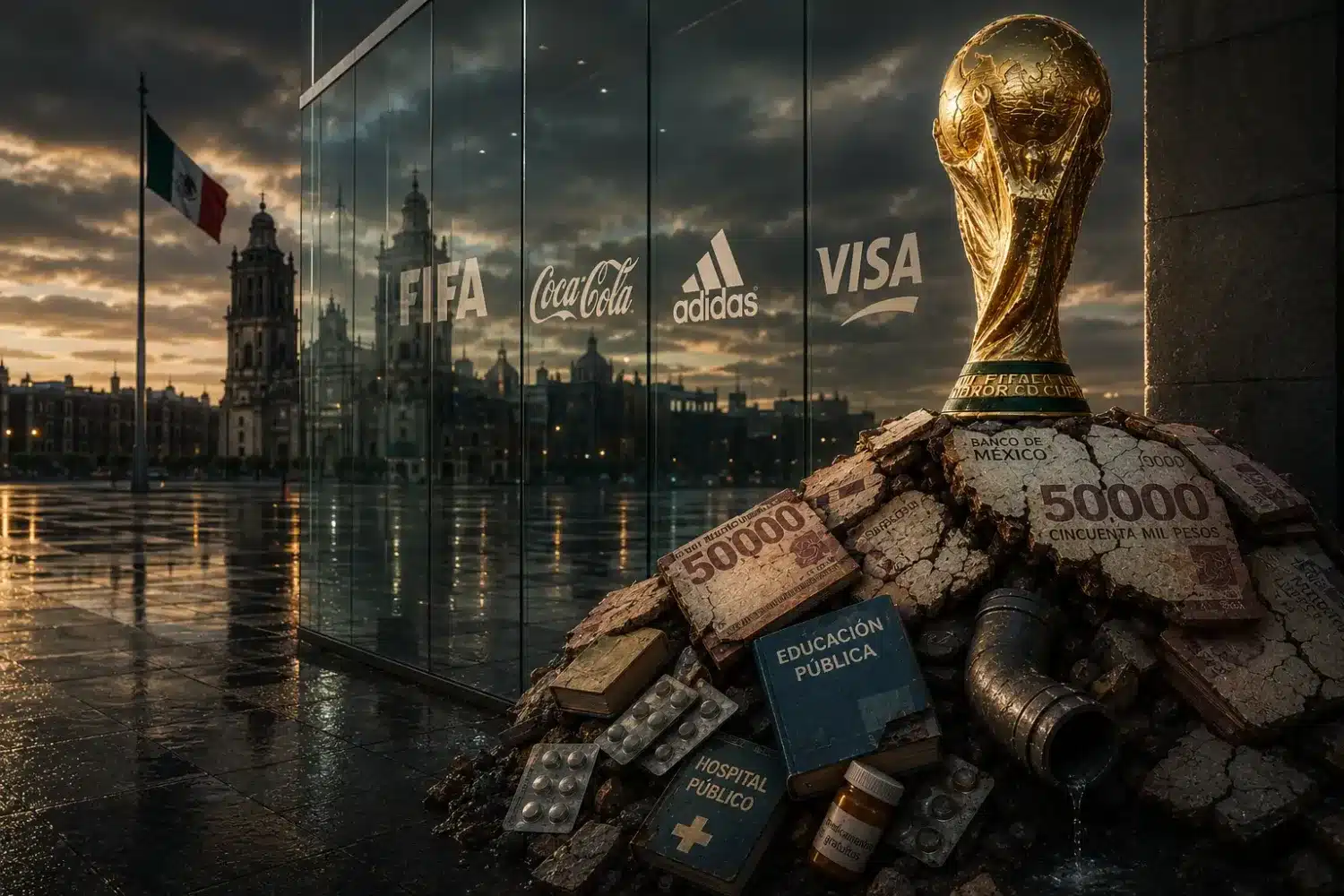
This year’s World Cup is historic because for the first time ever it will be co-hosted simultaneously by three countries: Mexico, the United States, and Canada. However, in Mexico it will leave behind a trail of socioeconomic blows, including huge debts the government has incurred to host it.
While the competition enjoys global passion, the tournament is structurally designed to disadvantage developing country hosts. This is not by accident. It is a deliberate design so that the world soccer tournament economically benefits the ultrarich and the Global North.
For Mexico, the soccer summer festival has already pushed the country into debt and turbocharged inequalities at a time when citizens are grappling with the high cost of living worsened by the war in Iran. Mexicans are being forced to trade their rights, livelihoods, and development for investments and refurbishment of amenities for soccer tourists.
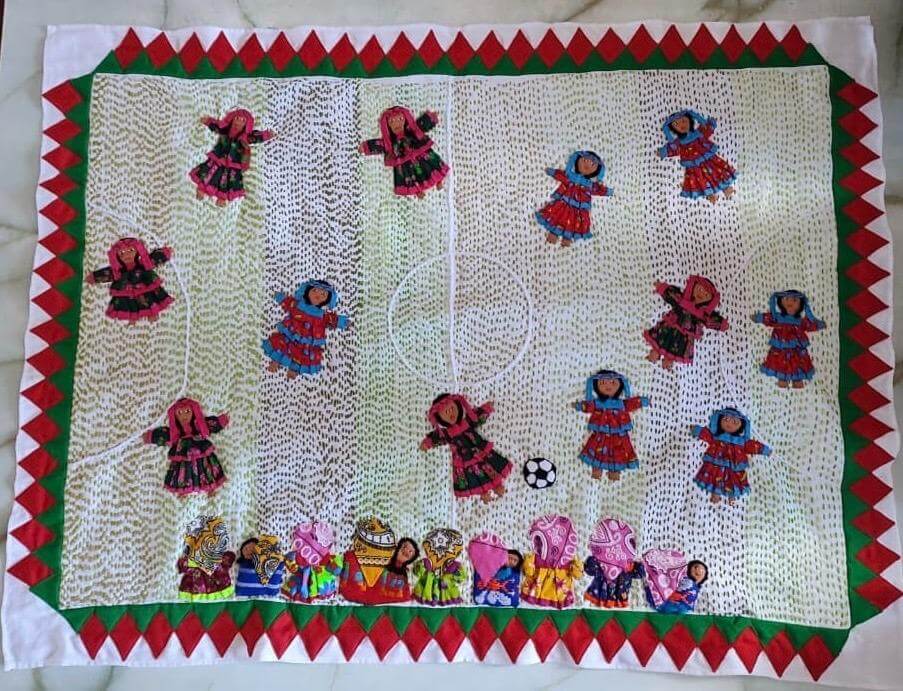
From the outside, it might seem like Mexico, the United States, and Canada are equals and good friends — close enough to cooperate and organize a global event together. But that’s just cosmetic.
Here is the stark reality: the World Cup will be in Mexico, but Mexicans aren’t invited. The entry fees are out of control, plagued by dynamic pricing, speculation, and restricted access to those who can pay around 50,000 Mexican pesos ($2,870) for a ticket to the opening ceremony. This is five times the country’s minimum wage.
Not only are Mexicans being shut out of the stadiums, they are also being expelled from the World Cup landscape. There is documentation of the forced evictions of street vendors and sex workers, as well as gentrification and touristification of neighborhoods and public spaces — all to meet foreign expectations of visiting Mexico as a soccer paradise, not as the unequal and violent place it truly is.
Billions of dollars that could have been spent on education, healthcare, and local infrastructure are being diverted and pumped into beautification projects that will cosmetically facelift host cities while public hospitals persistently face significant drug shortages and schools lack basic necessities to deliver quality education.
The promise of the economic windfall this event will bring is another lie. Following negotiations with the government, the soccer governing body, FIFA, has been exempted from paying taxes in Mexico. By contrast, in the United States and Canada, FIFA will pay taxes on the profits and revenue it generates. So, Mexicans end up once again paying to keep the public debt afloat while struggling to afford necessities like food and fuel.
Added to this are fiscal benefits for FIFA and multinationals like Coca-Cola, Adidas, Aramco, Visa and others. In other words, part of the event’s costs are being shifted to public resources paid for by the working class, while private interests are allowed to influence public decisions.
President Claudia Sheinbaum announced that 2 billion Pesos ($115 million) in public investment would be spent on transportation alone in preparation for the tournament. Meanwhile, FIFA expects to generate a record-breaking $1.8 billion to over $2.8 billion in total sponsorship and marketing revenue, marking the highest sponsorship income for a standalone sporting event in history.
If Mexicans are paying for the World Cup with public money, it would be fair that they should access the profits to contribute to improving Mexicans’ wellbeing through equitable distribution. But what we see is the pursuit of excessive profit taking precedence over the collective and public interest.
The World Cup is taking place at the same time as the renegotiation of the United States-Mexico-Canada Agreement. This trade treaty reinforces the perception of Mexico as a territory of cheap labour, resource exploitation — and it comes with strict enforcement mechanisms that allow the United States to dictate domestic industrial policies. This is not just a coincidence but a blunt reminder of how systems are rigged to serve the interests of billionaires and the Global North.
But there is another, far more ambitious and levelled playing field: the streets. Starting with a major protest on March 28 outside Azteca Stadium in Mexico City, social movements have demanded water, housing, and dignity for the people — not for World Cup tourists. Under the slogan “soccer yes, capitalism no,” we, Mexicans, join the struggle for truth and economic justice. It is our lives that are at stake, so we demand a change in the rules — for life, for the commons, and for soccer for all.
Soccer is played, paid for, and celebrated by the Global Majority, we the 99%. We who are struggling daily with the cost of living. It is only right therefore that the revenue it generates prioritizes ordinary people and defends their rights rather than feeding the endless greed of the 1%, FIFA fat cats, and the superrich.
Myriam Hernandez is the Latin America and Caribbean regional coordinator for the Fight Inequality Alliance. Sign the petition to call for government action on the cost of living: FightInequality.org